

The Inclusive AI Institute is led by two co-directors, from Gallaudet University and the Global AI Competition & Innovation Lab.
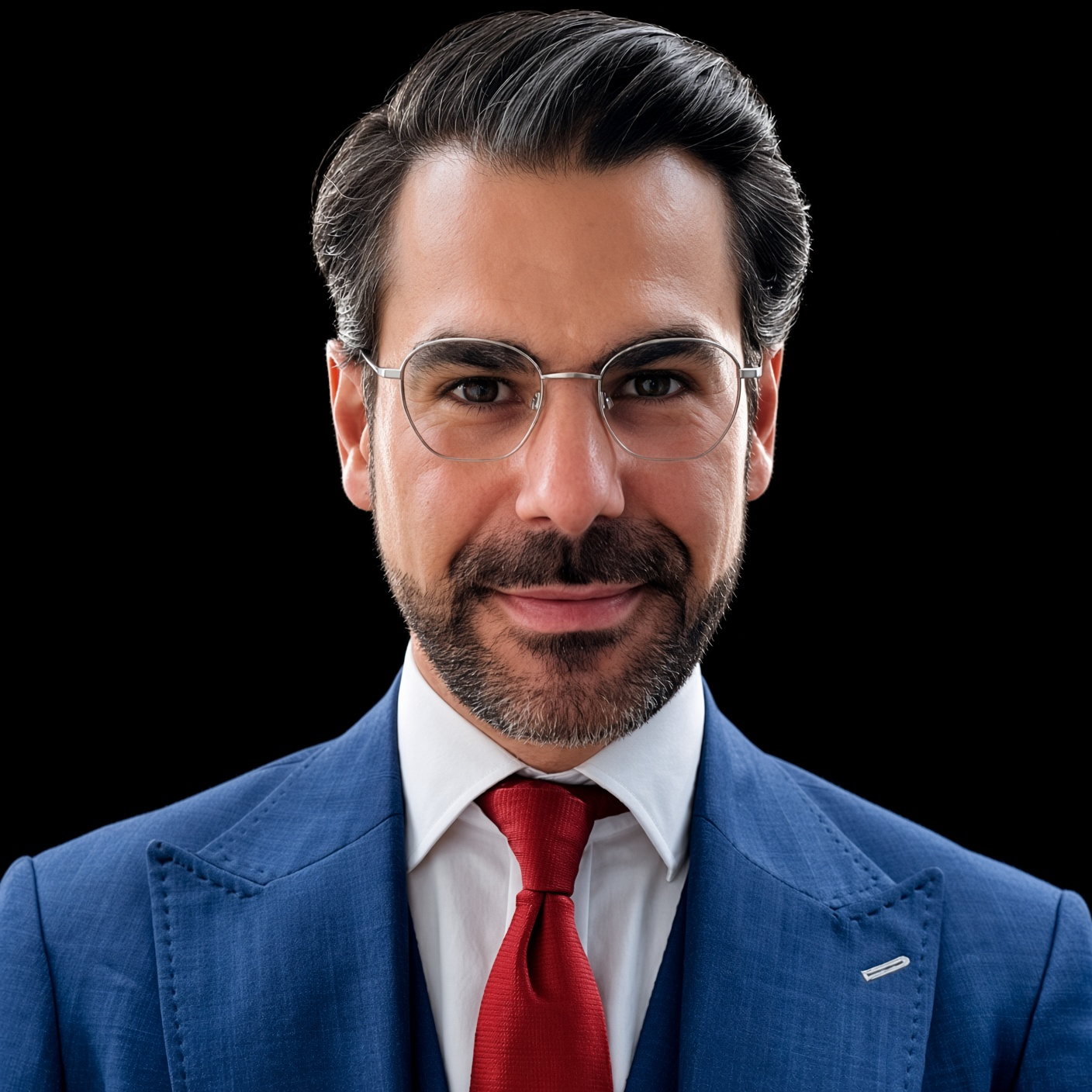
Co-Director, Inclusive AI Institute
Professor Aurélien Portuese is Co-Director of the Inclusive AI Institute. He is a research professor and founding director of the Global AI Competition & Innovation Lab. His work covers antitrust, innovation policy, and the rules that govern AI markets. At IAII he leads the Institute's policy and corporate-inclusion work, including the Inclusive AI Label and the Policy Reform Project.
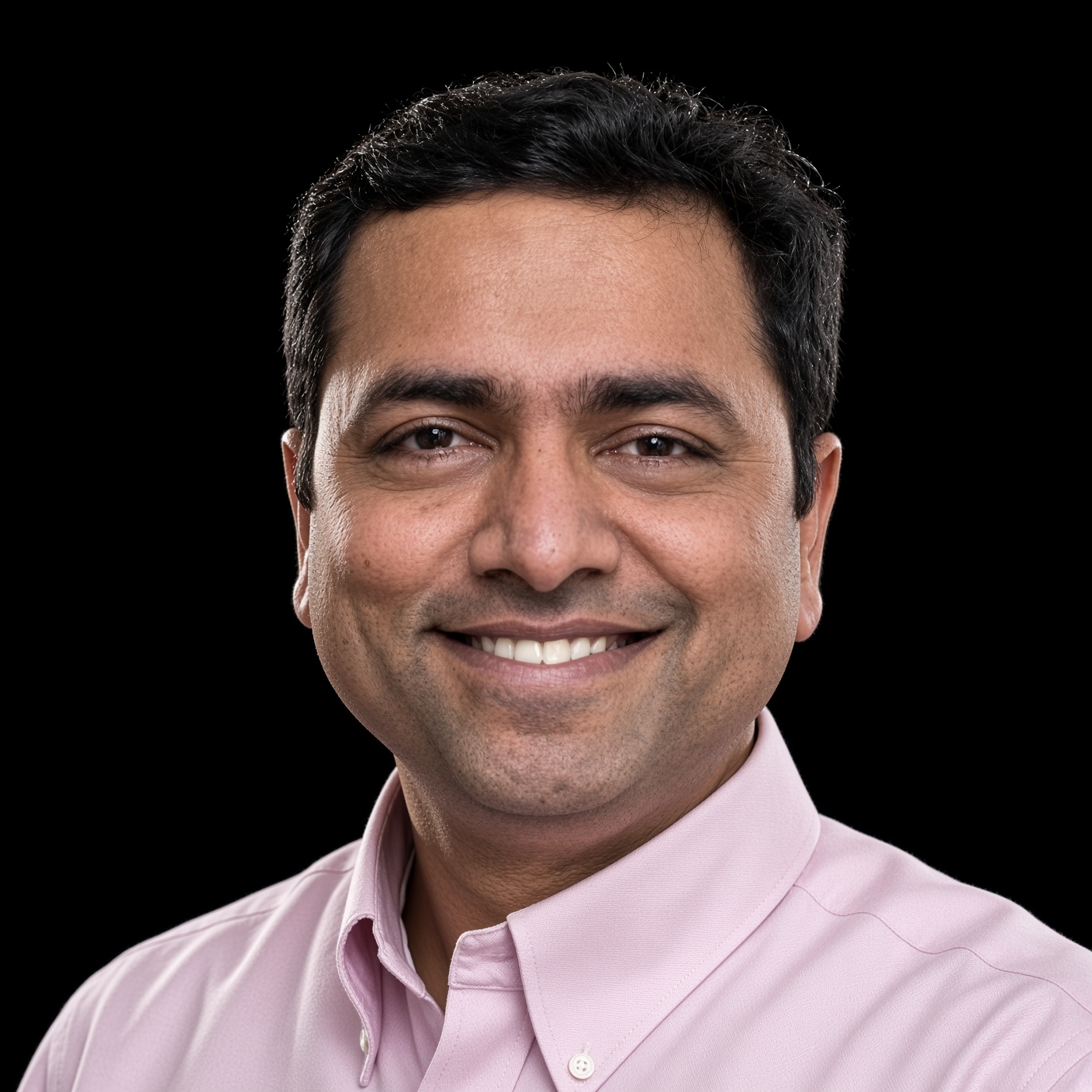
Co-Director, Inclusive AI Institute
Professor Raja Kushalnagar is Co-Director of the Inclusive AI Institute and a professor at Gallaudet University. He directs the Artificial Intelligence, Accessibility and Sign Language Center (AIASL) and the Accessible Human-Centered Computing program. His research covers accessible computing, captioning, and sign language and AI. As a Deaf scholar, he brings researchers, companies, and policymakers together so AI works for deaf and hard of hearing people.
With the Global AI Competition & Innovation Lab we work on policy, ethics, and governance — frameworks for transparency, accountability, and equitable AI in public and private sectors.
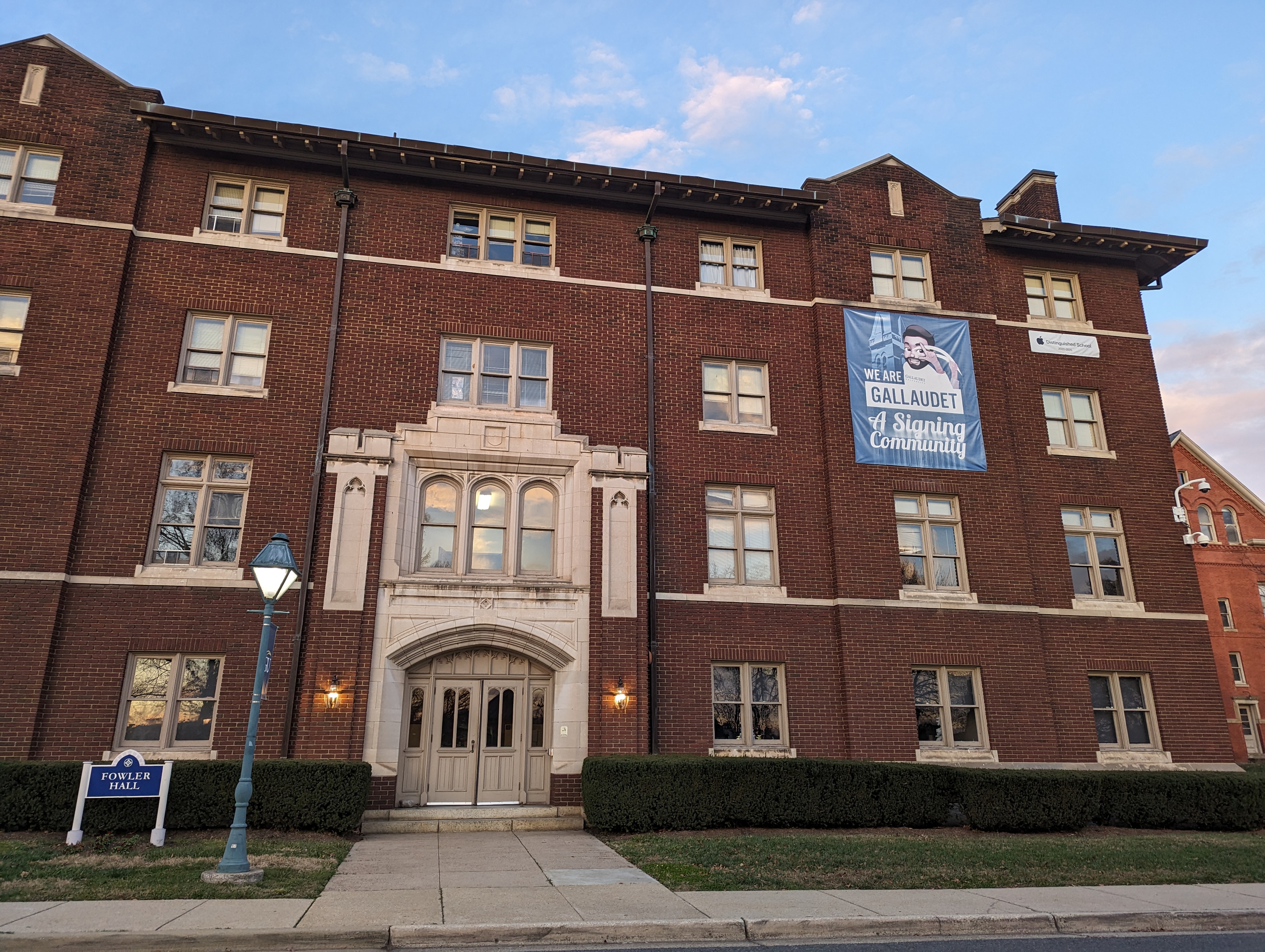
Together with Gallaudet University’s Artificial Intelligence, Accessibility and Sign Language Center (AIASL) — the world’s leading university for deaf and hard-of-hearing education — we work on sign, inclusive language models, and AI that people who are deaf or hard of hearing can actually use.

Founded through a collaboration between the Global AI Competition & Innovation Lab and Gallaudet University, the Inclusive AI Institute began with accessibility as a starting condition — not an afterthought. Deaf and hard-of-hearing people are in the work from the start.

We research accessible AI, sign language and AI, and inclusive design. We work with policymakers, educators, and companies on the standards that decide who gets to use the next system.

Today the Institute unites researchers, advocates, and organizations to advance equity in AI. Through membership, events, and education, we build a network committed to technology that works for every person, every signer, and every mode of communication.
Advance research that makes AI practical for people who are deaf or hard of hearing.

Work with policymakers and organizations on ethical, accessible AI standards.

Bring academia, industry, and advocates together to train people who will ship inclusive systems.

Expand awareness through outreach, events, and advocacy.
Membership is how a company, university, or nonprofit collaborates on research, influences policy, and helps set standards for accessible AI. The door is the Inclusive AI Label and the two projects — not a loop of Learn more.

